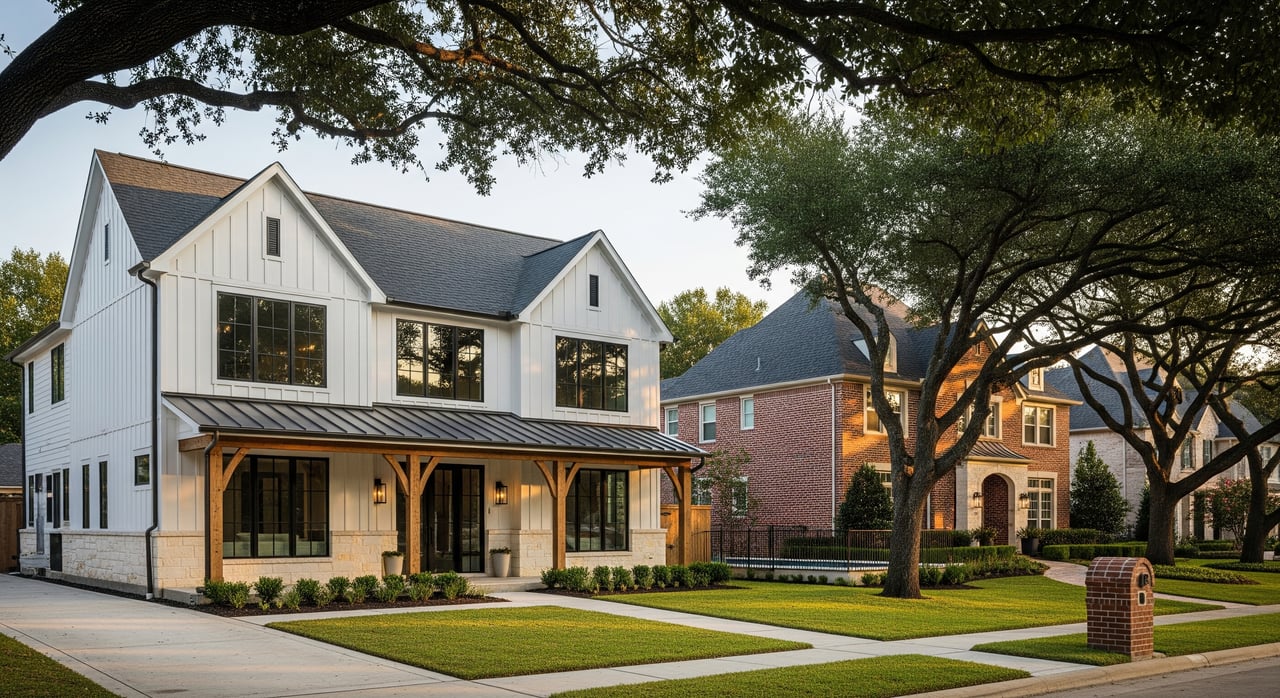
Choosing between a brand-new build and an established resale home in Cypress’s 77069 can feel like comparing apples to oranges. You want the right layout, a smart budget, and a smooth move with no surprises on taxes, HOAs, or flood risk. This guide breaks down the real tradeoffs you will face in 77069, plus the exact questions and documents to request before you commit. Let’s dive in.
Quick comparison for 77069
Here’s how the two paths stack up in everyday terms:
New construction
- Modern layouts, energy-efficient systems, and builder warranties.
- Timeline can run from a few weeks for a finished spec home to several months for a ground-up build.
- Incentives can reduce your closing costs or interest rate, often tied to the builder’s preferred lender.
- Smaller lots are common in some newer communities; amenities and uniform design standards are typical.
Resale
- Often larger lots and mature trees in established Cypress neighborhoods.
- Faster closings in many cases, usually 30 to 60 days depending on financing and inspections.
- More room to negotiate based on condition and repairs.
- Known neighborhood character, with a track record of sales to support appraisals.
Timelines and logistics
New construction timelines vary by product. A quick-move-in or inventory home might close in weeks, while a ground-up build can take several months, commonly 4 to 12 months depending on scope and builder schedule. Confirm milestones, completion targets, and remedies for delays in writing.
For resale homes in 77069, plan for a 30 to 60 day closing window subject to inspection results, appraisal, and financing. If you are selling and buying, you will need a plan if your sale closes before your new home is ready. Options include rent-back agreements, contingent offers, bridge financing, or selecting a resale you can close on quickly.
Warranties and post-closing protection
Most builders follow a common warranty pattern: 1 year on workmanship and finishes, 2 years on systems like HVAC, plumbing, and electrical, and 10 years for major structural defects. Many use third-party administrators. Ask for the full warranty document up front so you understand what is covered, how to file a claim, and whether the warranty transfers.
Resale homes are typically sold as-is apart from required Texas disclosures, though sellers sometimes offer a one-year home warranty as an incentive. You can also purchase a home warranty yourself for the first year. Either way, review coverage limits and exclusions before relying on it.
For context on structural warranty models, review the coverage outlines from widely used providers such as 2-10 Home Buyers Warranty.
Incentives, pricing, and closing costs
Builders commonly offer closing cost credits, temporary interest-rate buydowns, or upgrade allowances. These are often tied to using a preferred lender or title company. Compare your net cost with and without the incentive, including the rate and fees from any outside lender you shop.
With resale homes, you may negotiate credits for repairs, a home warranty, or price adjustments after inspections. Your leverage depends on the broader market and recent comparable sales.
To verify numbers and compare offers consistently, ask your lender for a standardized Loan Estimate and review your final Closing Disclosure. The Consumer Financial Protection Bureau’s Loan Estimate guide and Closing Disclosure guide show where every fee appears so you can line up new-build and resale estimates side by side.
Lots, HOAs, and day-to-day living
New developments often offer a range of lot sizes, but smaller lot widths are common in some product lines. Expect lot premiums for larger, corner, or amenity-facing locations. You will usually see deed restrictions and architectural guidelines that keep the community consistent and fund amenities through HOA assessments.
Many established 77069 neighborhoods feature larger lots, mature landscaping, and more varied placement. HOA rules and dues still apply in many areas, though older associations often have a longer track record you can review. In every case, request the full HOA packet, including CC&Rs, budgets, and recent meeting notes so you understand rules and fees before closing.
To confirm recorded lot dimensions and tax histories, use the Harris County Appraisal District site.
Taxes, MUDs, and monthly cost
Property taxes in unincorporated Harris County vary by school district, county rates, and whether the home sits in a Municipal Utility District. Many Cypress-area communities are in MUDs that levy taxes to fund water, sewer, and infrastructure bonds. This can materially change your annual costs. Builders and sellers must provide MUD disclosures when applicable, but you should also verify current rates directly.
- Use HCAD to review tax history and exemptions for a specific parcel.
- Confirm a subdivision’s MUD status and view district data using the Texas Commission on Environmental Quality Water District Database.
New construction will be fully appraised after completion, which can raise tax obligations compared with a vacant-lot valuation. Estimate the post-completion tax based on builder price, lot value, and local rates rather than relying on the current year’s lower assessed value.
Flood risk and insurance checks
Flood exposure varies across Cypress. You should check both the community and the specific lot. For new homes, ask whether the builder raised the slab, review grading plans, and request an elevation certificate if a flood zone might apply. For resales, look at past drainage improvements and any prior flood or water intrusion history.
- Review FEMA Flood Insurance Rate Maps through the FEMA Flood Map Service Center.
- Look up local drainage projects or historical context via the Harris County Flood Control District.
If a property is in a Special Flood Hazard Area, your lender will likely require flood insurance. Premiums vary, so collect quotes early and include them in your monthly budget.
Resale dynamics and appreciation
New homes align with current buyer preferences and can sell well when you move, but if the builder is still delivering inventory nearby, your resale may face competition from similar homes. In established neighborhoods, mature landscaping, unique lots, and a deeper sales history can support pricing, though buyers may negotiate for updates. Appraisers in both cases will rely on recent comparable sales, so pricing and prep matter.
For current neighborhood-level stats in 77069, you can review market trends from the Houston Association of Realtors and confirm specifics with your agent’s MLS data.
What to ask and what to get
Use these targeted checklists before you write an offer.
If you are considering new construction
Questions for the builder
- What is the completion timeline and milestone schedule? What happens if there is a delay?
- What does the warranty cover exactly? Who administers claims and how long do I have to report defects?
- What is included in the base price? Which items are upgrades, and are upgrade prices fixed?
- Are incentives conditional on a preferred lender or title company? Show the net price with and without incentives.
- Is the subdivision in a MUD? Provide the MUD disclosure and current tax/bond information.
- What are the HOA dues, transfer fees, and rules? Provide the full HOA packet and recent budget.
- Is the lot in a flood zone? Provide an elevation certificate, grading plan, and drainage information.
- Who handles inspections and the punch list? What is the timeline to complete punch-list items after closing?
Documents to collect
- Purchase agreement, warranty documents, community plat and lot survey, HOA packet, MUD disclosure, and Certificate of Occupancy timing.
Inspection tips
- Order independent inspections at key stages if allowed, such as pre-drywall and final. Confirm builder access rules in writing.
If you are considering a resale
Questions for the seller and listing agent
- Request the Texas seller’s disclosure and any prior inspection reports.
- Ask for permits and invoices for recent repairs and improvements.
- Request average utility costs, current HOA assessments, and tax history.
- Inquire about any known foundation, drainage, or pest issues and whether remediation was completed.
Documents to collect
- Seller’s disclosure, recent utility bills, HCAD tax history, any warranty transfer documents, HOA packet, and a recent survey.
Inspection tips
- Order a general home inspection and add specialists as needed based on age and condition, such as roof, HVAC, sewer scope, or termite.
When each option fits best
Choose new construction when you prioritize modern systems, energy efficiency, and customization, and you have flexibility for a longer timeline. Consider resale if a larger lot, mature landscaping, and a faster move matter most, or if you want room to negotiate price and repairs based on condition.
How to compare net costs
Use a simple line-by-line approach so nothing gets missed:
- Price and upgrades
- New construction: Base price plus options, upgrades, and any lot premium. Subtract builder incentives.
- Resale: Contract price minus credits for repairs you negotiate, plus estimated update costs you plan to do.
- Financing and closing costs
- Ask for a Loan Estimate from your lender for each scenario. Use the CFPB guides to compare APR, fees, and cash to close.
- Taxes, HOA, and MUD
- Pull parcel tax histories and exemptions from HCAD. Add HOA dues and fees. If in a MUD, factor in current MUD tax rates from the TCEQ database.
- Insurance
- Get quotes for homeowners and, if required, flood insurance. Use FEMA maps and local flood resources to estimate exposure.
- Maintenance and near-term projects
- New builds may have lower initial maintenance costs, offset by any upgrades you choose. Older homes may need targeted updates; estimate these before making an offer.
Local due diligence for 77069
- Market trends and comps: Check the Houston Association of Realtors and your agent’s MLS data for current pricing and days on market.
- Parcel and tax checks: Use HCAD for ownership, lot dimensions, and tax history.
- Flood risk: Review the FEMA Flood Map Service Center and the Harris County Flood Control District for drainage context.
- MUD confirmation: Search the TCEQ Water District Database for district taxing data and disclosures.
Ready to map your choice to real numbers for 77069? Before touring builders, schedule a short strategy call to review timelines, financing options, and how to compare net costs between specific new-construction offers and local resale comps. If you are also selling, get a clear pricing plan and staging strategy so your sale and purchase work together. Connect with Marian Motamedi to align the details and maximize your outcome.
FAQs
How long does new construction take in Cypress 77069?
- Many quick-move-in homes can close in weeks, while a ground-up build often takes several months, commonly 4 to 12 months depending on scope and builder schedule.
What is a MUD and how does it affect my taxes?
- A Municipal Utility District funds water, sewer, and infrastructure through a separate tax, which can raise your annual bill; confirm district status and current rates in the TCEQ Water District Database.
Are builder incentives worth it compared to resale credits?
- They can be, but only after a net-to-net comparison that includes base price, upgrades, rate and fees, and any required preferred lender terms versus a resale price with negotiated repairs or credits.
How do I check flood risk for a home in 77069?
- Review the address in the FEMA Flood Map Service Center and look for local context via the Harris County Flood Control District; ask for an elevation certificate if a flood zone applies.
Who usually pays owner’s title insurance in Harris County?
- In Texas it is common for the seller to pay the owner’s title policy, but practices vary; verify local custom in your contract and Closing Disclosure.